SmartTRAK Life Sciences News and Analysis Blog in the Orthopedics, Wound, and Neuro Therapies Market Segments
.png)

SmartTRAK reports on news from AHS 2026 and explores the trends in hernia repair impacting the Hernia Ma...
Senior analyst Elizabeth Anderson interviews Merakris Therapeutics CEO Chris Broderick about MTX-001, an...

Regen Lab CEO and Founder Mr. Antoine Turzi discusses the company’s research evolution and pioneering ad...

In an interview with SmartTRAK, Oneness Biotech discusses Bonvadis, a novel herbal cream designed for ea...

ProDevLabs provides an indepth look at the CAMPS reset in wound care and the convergence with regenerati...

SmartTRAK reports from SAWC Spring in Charlotte, NC, and finds a market rebuilding following a significa...

In this second part of a two-part series, SmartTRAK focuses on how DME suppliers are driving growth of t...

SmartTRAK interviews two HYFACOL Limited executives about their collagen manufacturing platform, HyFaCol...
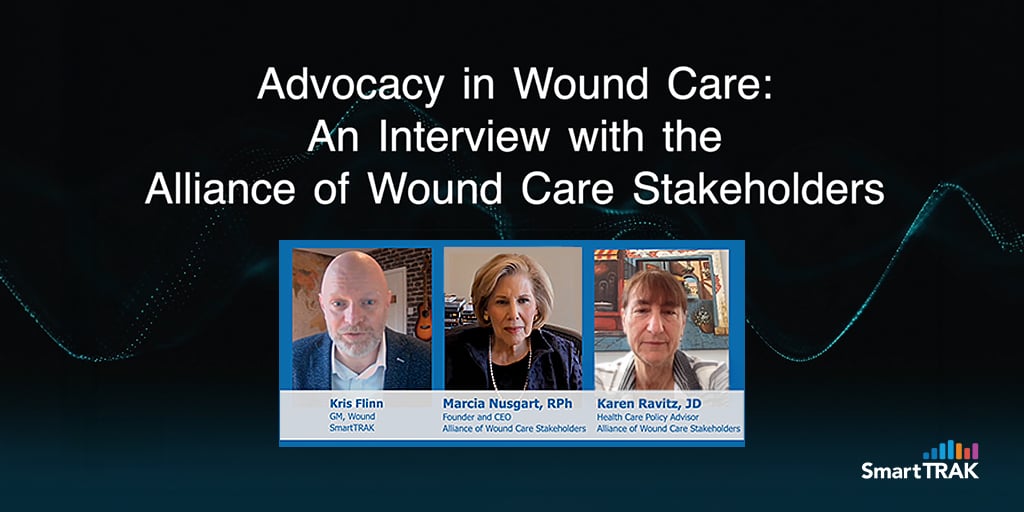
SmartTRAK interviews two leaders from the Alliance of Wound Care Stakeholders to discuss its aim to be t...

SmartTRAK highlights four wound companies to watch in 2026 with new-generation antimicrobial alternative...

 Login
Login